








Gambling through the ages a journey of historical evolution

Gambling through the ages a journey of historical evolution
Origins of Gambling in Ancient Civilizations
The history of gambling can be traced back thousands of years to ancient civilizations, where games of chance were not only a source of entertainment but also a means of social interaction. Archaeological findings suggest that dice made from animal bones were used in ancient Mesopotamia around 3000 BC. This early form of gambling highlighted human fascination with luck and chance, serving as a precursor to the games we know today. As these civilizations grew, so did the complexity of their games and betting practices. Today, platforms like https://paripulsebangladesh.net/ offer a modern take on these ancient pastimes.

In ancient China, gambling activities flourished, with rudimentary games resembling modern-day lottery systems emerging around 200 BC. The Chinese were known to use tiles to play games of chance, which laid the groundwork for numerous gambling traditions that would evolve over time. This period marked a significant transition from simple games to organized betting systems, reflecting society’s changing views on fortune and fate.
Greeks and Romans also embraced gambling, popularizing various games such as the dice game “hazard” and betting on gladiatorial contests. In these cultures, gambling was often intertwined with social rituals and communal gatherings, emphasizing its role as a shared experience among citizens. The various forms of gambling in these ancient societies illustrate not only the entertainment value but also the psychological allure of risking something of value in hopes of gaining more.
The Evolution of Gambling in the Middle Ages
The Middle Ages saw a significant evolution in gambling practices, influenced by the spread of Christianity, which often condemned games of chance as sinful. Nevertheless, the desire for gambling persisted, leading to the rise of card games in the 14th century, which originated in Asia and made their way to Europe. This period marked the beginning of more structured gaming formats, providing a foundation for modern card games like poker and blackjack.
During this time, gambling became a popular pastime among the nobility and lower classes alike, with various gambling houses and taverns sprouting throughout Europe. The emergence of gambling laws during this period reflected the societal concerns regarding the morality of gambling. Governments began to regulate gambling activities, leading to the establishment of the first lotteries in the 16th century, which were used to fund public projects and foster a sense of community.
The Renaissance played a crucial role in shaping modern gambling practices, as it encouraged innovations in gaming and a broader acceptance of gambling as part of social life. The transition from informal betting to more formalized gambling establishments, such as casinos, began to take shape. This evolution represented a significant shift in societal attitudes toward gambling, laying the groundwork for the vibrant gambling culture that would develop in the subsequent centuries.
The Rise of Modern Gambling in the 19th Century
The 19th century marked a turning point in the history of gambling, characterized by the establishment of iconic casinos and a surge in organized betting activities. The advent of new technologies, such as the printing press, facilitated the proliferation of gambling literature and information about various games. The introduction of roulette and the popularity of horse racing significantly influenced the gambling landscape during this period, as betting became more accessible to the masses.
In the United States, the Gold Rush catalyzed a wave of gambling in the burgeoning frontier towns, where establishments catered to miners and adventurers seeking fortunes. This era gave birth to iconic figures like Wild Bill Hickok and poker games that became synonymous with the Wild West. The legalization of gambling in Nevada in the early 20th century further revolutionized the industry, establishing Las Vegas as the global gambling capital.
Technological advancements also played a significant role in shaping the gambling landscape of the 19th century. The invention of the slot machine by Charles Fey in 1895 revolutionized casino gaming, providing an easy and appealing way for individuals to engage in gambling without extensive knowledge of complex games. This period solidified the transition from social betting to a more commercialized gambling industry, setting the stage for the explosive growth witnessed in the 20th century.
The Digital Age and Online Gambling Revolution
The late 20th century ushered in a new era for gambling, driven by the rapid advancements in technology and the internet. The emergence of online casinos in the 1990s transformed traditional gambling, allowing players to engage in their favorite games from the comfort of their homes. This shift significantly increased the accessibility of gambling, leading to a surge in participation and a diversification of gaming options available to consumers.
The introduction of live dealer games bridged the gap between online and land-based casinos, providing an immersive experience that appealed to traditional gamblers while attracting new players. The rise of mobile gambling, through apps and responsive websites, has further revolutionized the way individuals engage with gambling, making it easier than ever to place bets and play games on-the-go.
Moreover, the introduction of cryptocurrencies has created additional opportunities for anonymity and security in online transactions, attracting a new demographic of tech-savvy gamblers. Regulatory changes in various countries have also contributed to the growth of the online gambling industry, as governments recognize the potential economic benefits of legalizing and taxing online betting platforms. This ongoing evolution illustrates the industry’s adaptability and resilience in the face of technological changes.
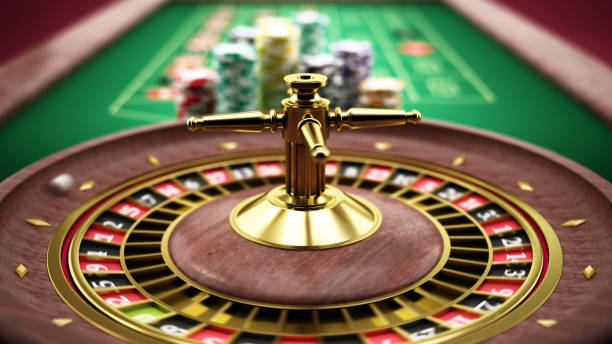
PariPulse: The Future of Gambling
As the gambling landscape continues to evolve, PariPulse emerges as a pioneering platform that encapsulates the essence of modern gaming. With over 7,000 games and options ranging from traditional casino experiences to innovative live dealer games, PariPulse caters to both casual players and seasoned bettors. Licensed by the Curaçao Gaming Authority, it promises a secure and engaging gaming environment.
The platform’s user-friendly interface and diverse payment options, including cryptocurrency, make it accessible to a global audience. PariPulse’s dedication to customer support ensures that players have assistance whenever needed, enhancing the overall gaming experience. This commitment to user satisfaction reflects a broader trend in the gambling industry towards personalization and convenience.
In conclusion, as we reflect on the rich history of gambling, it becomes clear that PariPulse represents a significant step forward in the industry’s evolution. By embracing technology and prioritizing user experience, PariPulse stands at the forefront of the future of gambling, inviting players to join in the exhilarating journey of chance and strategy.